Editor selection
PDRN — Polydeoxyribonucleotide — is a salmon-DNA-derived skin repair molecule that's become K-beauty's defining 2026 ingredient. Here's what it actually does, and which patches use it well.
Multiple peer-reviewed studies (Park et al., 2020; Belletti et al., 2018) show topical PDRN improves skin elasticity and reduces inflammation. The leap from clinic to skincare aisle is recent — most consumer formulations launched 2024-2026.
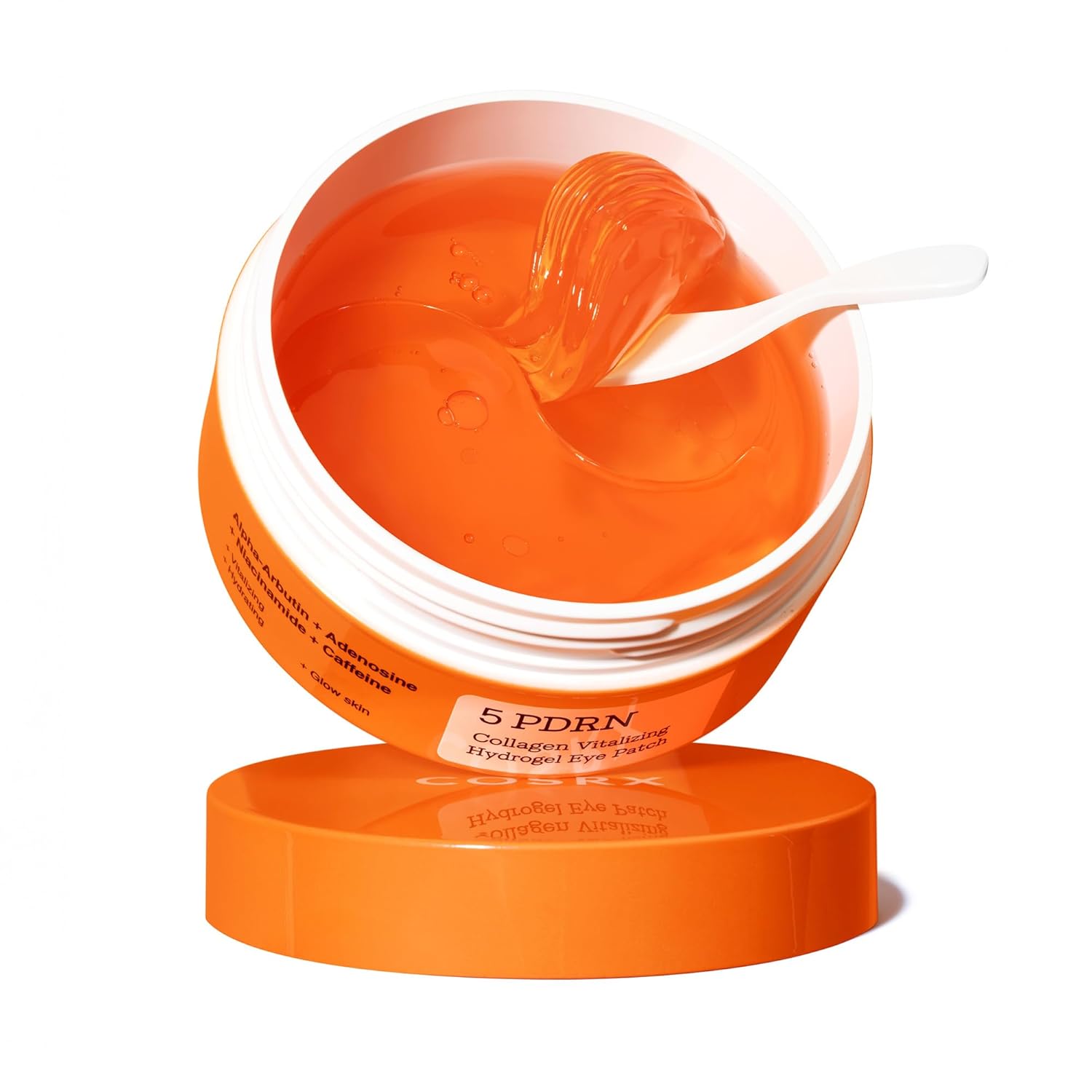
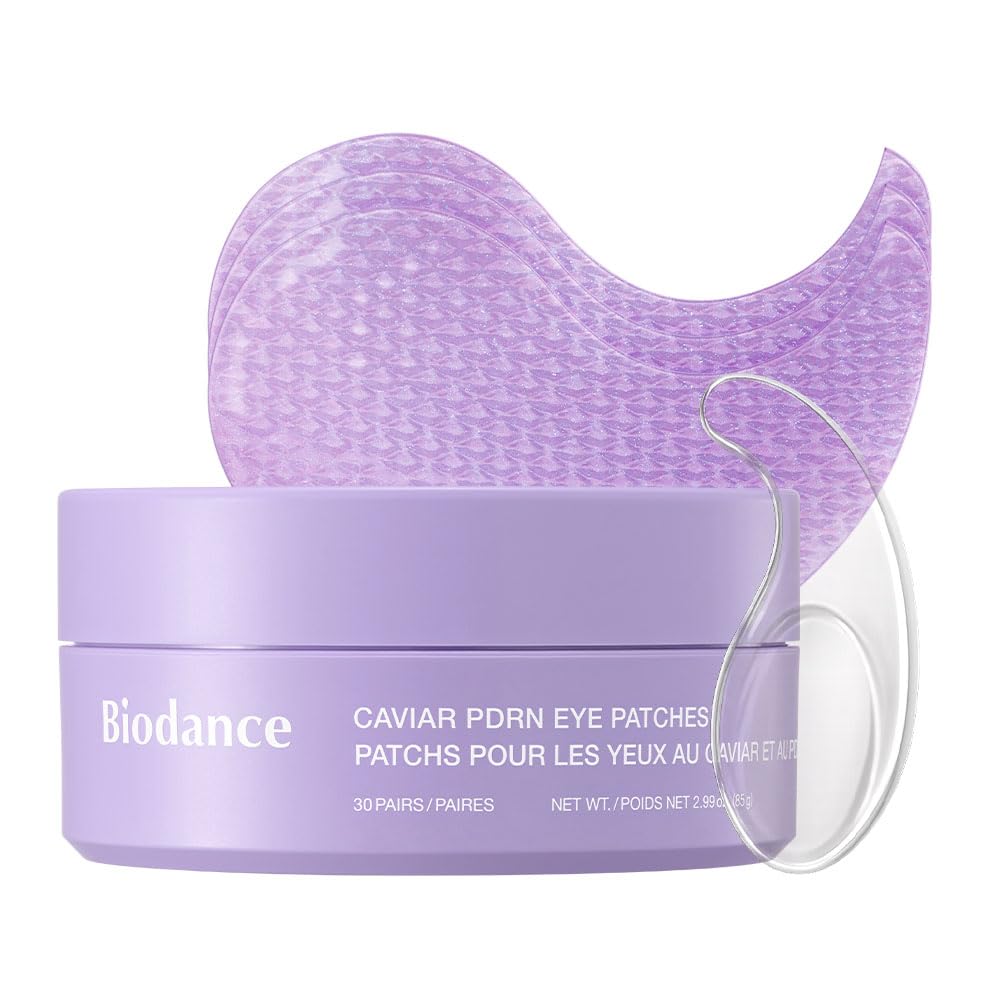
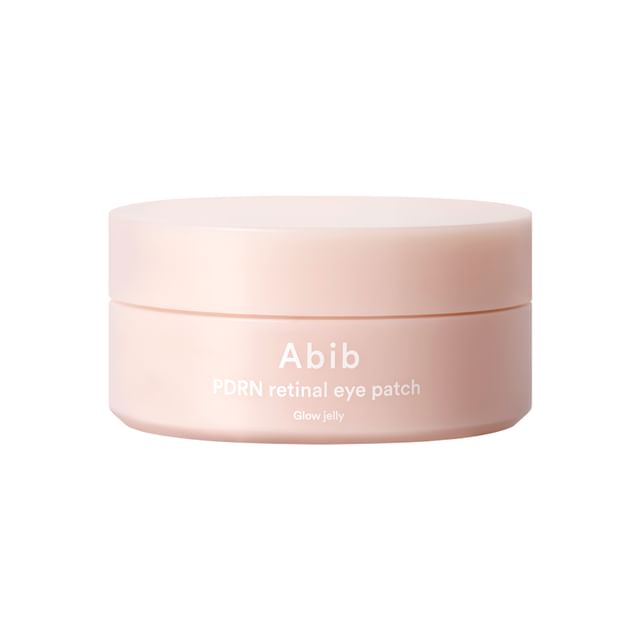
PDRN is to 2026 what snail mucin was to 2020. Originally a Korean clinic injectable used for post-procedure healing, it’s now in eye patches, serums, and creams from COSRX, Abib, Medicube, Mediheal, Anua, Biodance, and a dozen smaller brands.
The simple version: PDRN is a chain of DNA fragments derived from salmon sperm cells. When applied to skin, it interacts with adenosine receptors that tell fibroblasts to produce more collagen and elastin. It also reduces inflammatory markers — useful under the eyes where chronic micro-inflammation contributes to darkness and puffiness.
PDRN is currently the rising star of K-beauty per Google Trends data, with related queries like “best PDRN serum” and “medicube PDRN” climbing 70%+ year-over-year. If you only try one new ingredient this year, this is the strongest evidence-backed bet.