Glutathione Kojic Acid Eye vs Faded Brightening Under Eye
Side-by-side, with recorded retailer ratings, attributed customer-quote signals, and our editorial verdict on which patch wins for which use case.
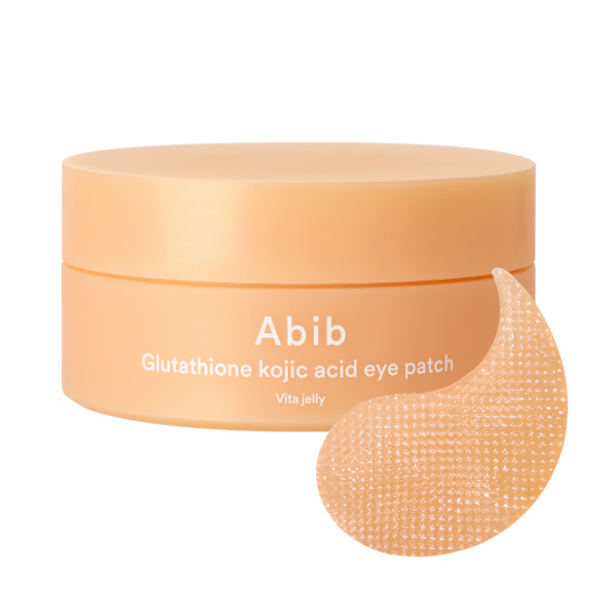

Closer than the marketing makes it look — Glutathione Kojic Acid and Faded Brightening match each other across most dimensions, with the deciding factor coming down to your specific concern.
Why we paired these
- Both target dark-circles
- Both contain niacinamide
Winners by use case
Glutathione Kojic Acid works out to $0.77 per use
→ Topicals Faded Brightening Under
Faded Brightening has 4,223 retailer reviews represented — the larger public feedback pool
→ Topicals Faded Brightening Under
Faded Brightening stacks more actives across more concerns
Frequently asked
Which is cheaper, Glutathione Kojic Acid Eye or Faded Brightening Under Eye?
Faded Brightening Under Eye at $22 is cheaper than Glutathione Kojic Acid Eye at $23. Per-use cost may differ — see the comparison table for the breakdown.
Do Glutathione Kojic Acid Eye and Faded Brightening Under Eye share ingredients?
Yes — both contain NIACINAMIDE. The supporting ingredient stacks differ. See each product's review for the full INCI list.
Which is better for dark circles?
Both target dark circles. The right pick depends on whether you want Glutathione Kojic Acid Eye's Abib's newest entry — the first eye patch in our catalog with the dermatologist-favorite Glutathione + Kojic Acid stack for melanin-driven dark circles or Faded Brightening Under Eye's The TikTok-coded patch that pairs Sephora-exclusive prestige with real ingredient evidence. The Winner Matrix above shows our use-case verdicts.
How were these chosen for comparison?
Both products met our quality gate: Both target dark-circles; Both contain niacinamide. We don't auto-generate every possible pair — only ones with meaningful overlap and meaningful differences worth comparing.